
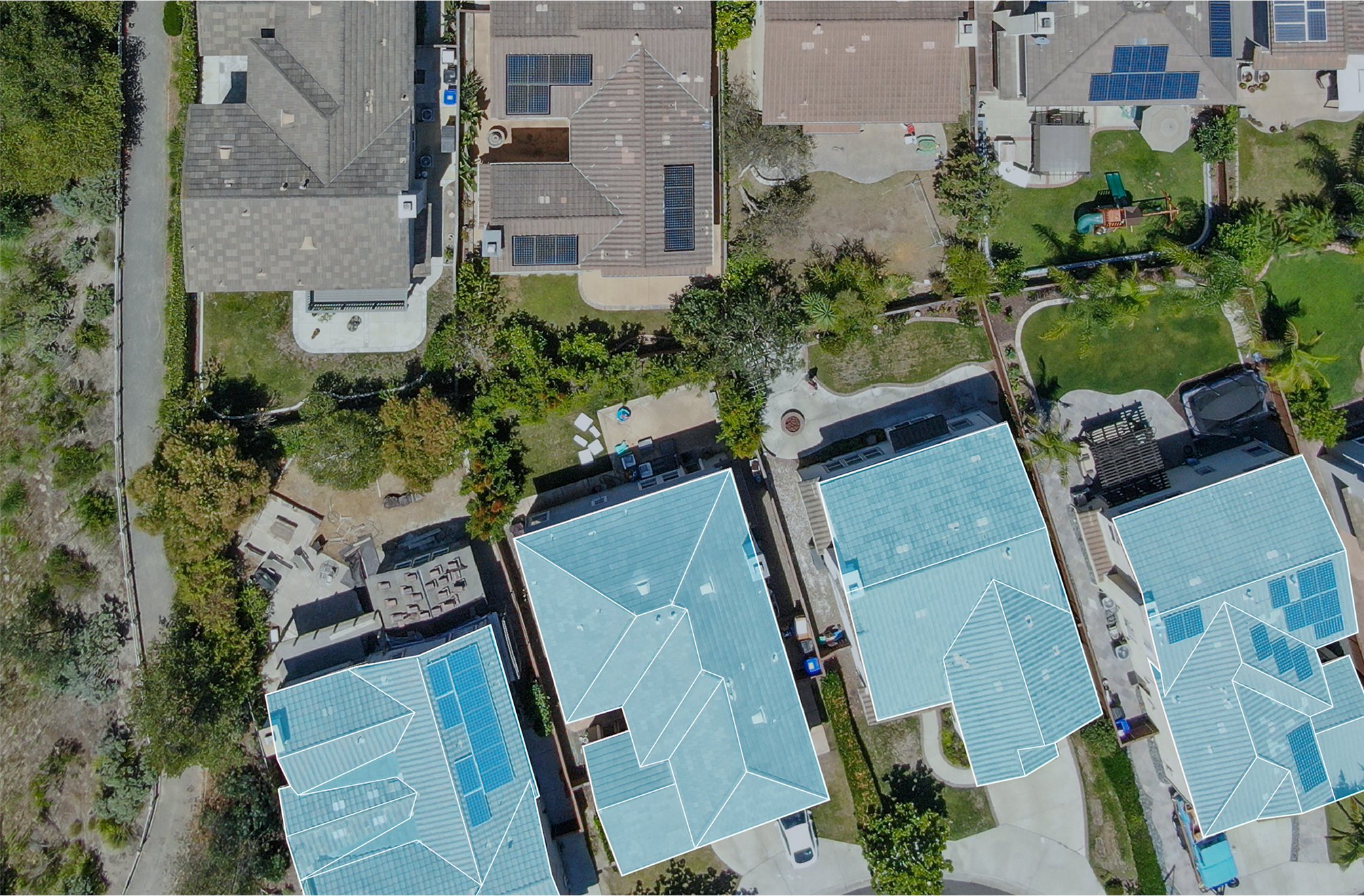
Parking Structure & Deck Waterproofing in Wichita, KS in Wichita, KS
Commercial roofing for parking structure & deck waterproofing in Wichita, KS — specifications, scheduling, and project coordination for this building type.
Parking structure waterproofing in Wichita is scheduled around one operational constraint that most building owners underestimate: a parking deck cannot be entirely out of service during re-waterproofing. Revenue loss from closing a deck to the public — whether it serves a hospital, a hotel, a stadium, or a retail complex — accumulates faster than most owners budget for. We design every parking deck waterproofing project as a phased program that keeps the maximum number of spaces available at every stage of construction.
Phased parking deck waterproofing in Wichita works by treating each level and each half of each level as a discrete work zone with a defined start and completion sequence. The facility operations team sees the weekly phasing schedule before we mobilize — not as a courtesy, but because the valet service, the reserved-space holders, and the monthly parkers all need to know what's happening and when. We coordinate with facility management to communicate phase changes to users before they arrive at a blocked section.
Drainage management during construction is a critical scheduling element on parking decks in Wichita. Concrete deck surfaces have low permeability — rain that falls on an open deck section during construction runs to areas where active work is happening and can contaminate freshly applied waterproofing materials. We install temporary drainage diversions at phase boundaries and monitor weather windows before opening any deck section that can't be protected from a surprise rainfall within a few hours of application.
Parking Structure Waterproofing — Operations Questions
Yes, in phases. We design the phasing plan to maintain as many operational spaces as possible throughout the project. Typically one level or one half of a level is closed at a time; the rest of the structure remains open. The specific phasing plan is developed with the facility operations team before mobilization and accounts for the facility's peak occupancy periods — a hospital parking deck operates differently from a retail parking deck and the schedule reflects that.
Phase boundaries are marked with temporary barriers that are clearly visible at all entry and approach points. Signage is installed at the level entry and at the ramp transitions. If the facility uses a parking management system with space sensors or overhead guidance displays, we coordinate with the parking technology vendor to remove the closed section from the live count before the phase closure date.
A single parking level in a standard structure (350-500 spaces) takes 2-3 weeks to complete waterproofing, including surface preparation, membrane installation, and aggregate broadcast cure time. Top-deck levels take slightly longer due to UV cure requirements for traffic-bearing topcoats. The total project duration for a multi-level structure is typically 8-14 weeks depending on the number of levels and the extent of concrete repair work required before membrane installation.
Loading dock access and service entrances are identified during the pre-construction walkover and are never included in a phase closure without an alternate route confirmed in advance. If a phase closure temporarily affects the approach to a loading dock, we provide 2 weeks' written notice to the facility and the affected service contractors, and confirm the alternate approach route with the facility's operations team before the closure date.
- Distribution Center Roofing
- Apartment Complex Roofing
- Religious Facility Roofing
- Industrial Flex Space Roofing
- Airport Terminal Roofing
- Multifamily Roofing
- PVC Roofing
- Wind Damage Roof Repair
Roof questions this work should answer
Where is the roof vulnerable?
Drainage, seams, curbs, edge metal, penetrations, traffic paths, and prior repairs should be clear enough to guide the next step.
What has to happen first?
Active water entry, tenant protection, safe access, and storm documentation are handled before long-range pricing is finalized.
How should ownership compare options?
Repair, coating, recover, and replacement choices should be compared against roof age, wet insulation, building use, and the cost of future disruption.