
Multifamily and Apartment Building Roofing in Wichita, KS in Wichita, KS
Commercial roofing for apartment complexes, condominiums, and multifamily residential buildings.
Wichita's multifamily housing market reflects the steady economic character of a mid-sized Kansas city powered by aerospace manufacturing, healthcare, and a growing entrepreneurial business community. Apartment communities throughout Sedgwick County range from vintage mid-century complexes in the College Hill and Riverside neighborhoods near the Arkansas River to modern garden-style developments in Derby, Andover, and Maize that have absorbed population growth from young families and aerospace workers relocating to the region. Property managers and real estate investors in the Wichita market navigate a roofing environment shaped by the punishing extremes of the southern Great Plains climate.
The Kansas climate is genuinely unforgiving for commercial roofing systems. Wichita summers deliver sustained heat with temperatures regularly exceeding 100 degrees and intense UV exposure that degrades membrane surfaces and seam adhesives. Winter brings Arctic cold fronts that can drop temperatures below zero within hours of mild conditions, stressing the thermal expansion and contraction tolerance of every roofing component. Hail storms — some of the most damaging in the country — move through the Wichita metro with regularity, capable of destroying an unprepared roofing system in a single event. And tornado-producing supercells generate the kind of wind uplift forces that test every fastening pattern and edge detail on an exposed flat roof. Managing apartment roofing in Wichita is a serious operational discipline.
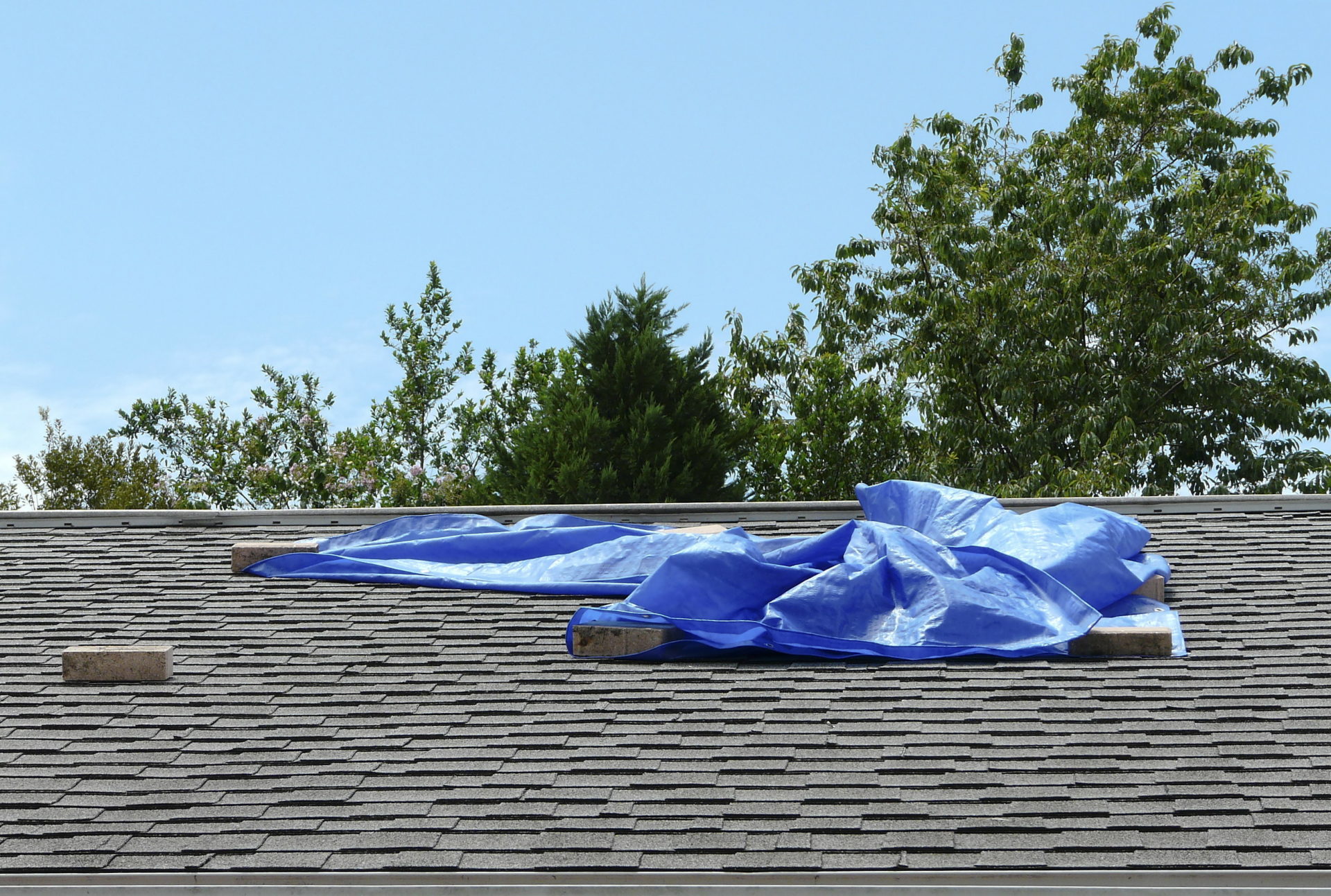
Hail damage is the most frequent cause of insurance claims for multifamily roofing systems in the Wichita area. When a significant hail event moves through the metro — and the region averages multiple damaging hail events per year — apartment complex owners should engage a qualified commercial roofing contractor within days for a documented damage assessment. Insurance claims for hail damage are subject to policy deadlines that vary by carrier, and late-filed claims are frequently disputed or denied. A contractor who can provide a professional written assessment with photographs, hail size documentation, and a clear description of the affected materials creates the foundation for a successful claim.
HOA communities throughout Wichita's established neighborhoods — from the older bungalow-adjacent townhome associations in Eastborough to the newer planned communities in Goddard and Valley Center — face the predictable governance challenges of managing major capital expenditures by committee. Board members who serve voluntarily bring goodwill and commitment but rarely have professional construction backgrounds, which creates a dependency on contractor quality and transparency. Commercial roofing contractors who work regularly with Wichita-area HOA management companies know how to present condition assessments and project proposals in terms that allow non-technical board members to make informed decisions without feeling overwhelmed by construction jargon.
Real estate investors who have acquired apartment properties in Wichita's value-add market — particularly in the older neighborhoods near Downtown Wichita, the Douglas Design District, and the Delano entertainment district — often find that previous ownership deferred roofing capital investment during difficult operating periods. Class B and C apartment complexes that change hands in the mid-market segment frequently carry roofing systems that have been maintained through annual patch repairs rather than proactive replacement, creating systems with unpredictable remaining life. Accurate assessment of actual roof conditions during due diligence is what separates successful value-add acquisitions from projects that consume renovation capital on emergency repairs before any value-creation work begins.
The aerospace sector's employment stability in Wichita supports a rental market with consistent demand from well-qualified tenants at multiple price points. Property management companies serving Boeing, Spirit AeroSystems, and Cessna employees understand that these tenants expect well-maintained properties and have options if physical conditions deteriorate. Roofing failures that produce unit interior damage, visible ceiling stains, or moisture intrusion in common areas directly affect tenant retention and leasing velocity in a market where reputation matters. The cost of maintaining roof integrity is almost always lower than the revenue impact of accelerated unit turnover driven by deferred physical plant maintenance.
Tornado preparedness has direct implications for roofing system design and installation standards on Wichita apartment buildings. Kansas building code wind load requirements reflect the region's genuine tornado risk, and roofing systems on multifamily buildings must be installed with fastener patterns and edge detailing that meet minimum uplift resistance requirements. Beyond code compliance, property managers and owners who want to minimize storm damage potential should specify above-minimum wind uplift ratings when replacing roofing systems — the incremental cost of higher-rated installation is modest compared to the potential loss from a partial or complete roof blow-off during a severe weather event.
Large apartment communities in the Wichita suburbs — those with 150 to 500 units spread across multiple buildings in communities like Auburn Hills, the Waterfront development, and the expanding southwest corridor — benefit from multi-building maintenance agreements that give property managers a systematic approach to roofing condition monitoring across their entire portfolio. Rather than learning about roofing failures through maintenance request tickets, proactive management companies schedule annual inspections at all properties, receive condition reports that allow them to sequence capital projects based on urgency and budget availability, and build replacement reserves that reflect realistic timing rather than optimistic assumptions.
Winter weather in Wichita, while not as extreme as northern Plains states, creates genuine roofing maintenance concerns that property managers in southern markets sometimes underestimate. Ice storm events — where freezing rain accumulates on roofing surfaces and then refreezes through multiple cycles — can block drainage scuppers and internal drains on flat-roofed apartment buildings, creating ponding water situations that accelerate membrane deterioration and create structural load conditions. Property managers should have a plan for drain clearing after significant ice events and should ensure that their commercial roofing contractor has emergency availability during the December through February window when these events are most likely.
- Spray Foam Roofing
- Storm Damage Roof Repair
- Cool Roof Installation
- Office Building Roofing
- Occupied Building Reroofing
- Metal R Panel Roofing
- Insulation Recovery Board
- Government Building Roofing
Roof questions this work should answer
Where is the roof vulnerable?
Drainage, seams, curbs, edge metal, penetrations, traffic paths, and prior repairs should be clear enough to guide the next step.
What has to happen first?
Active water entry, tenant protection, safe access, and storm documentation are handled before long-range pricing is finalized.
How should ownership compare options?
Repair, coating, recover, and replacement choices should be compared against roof age, wet insulation, building use, and the cost of future disruption.