
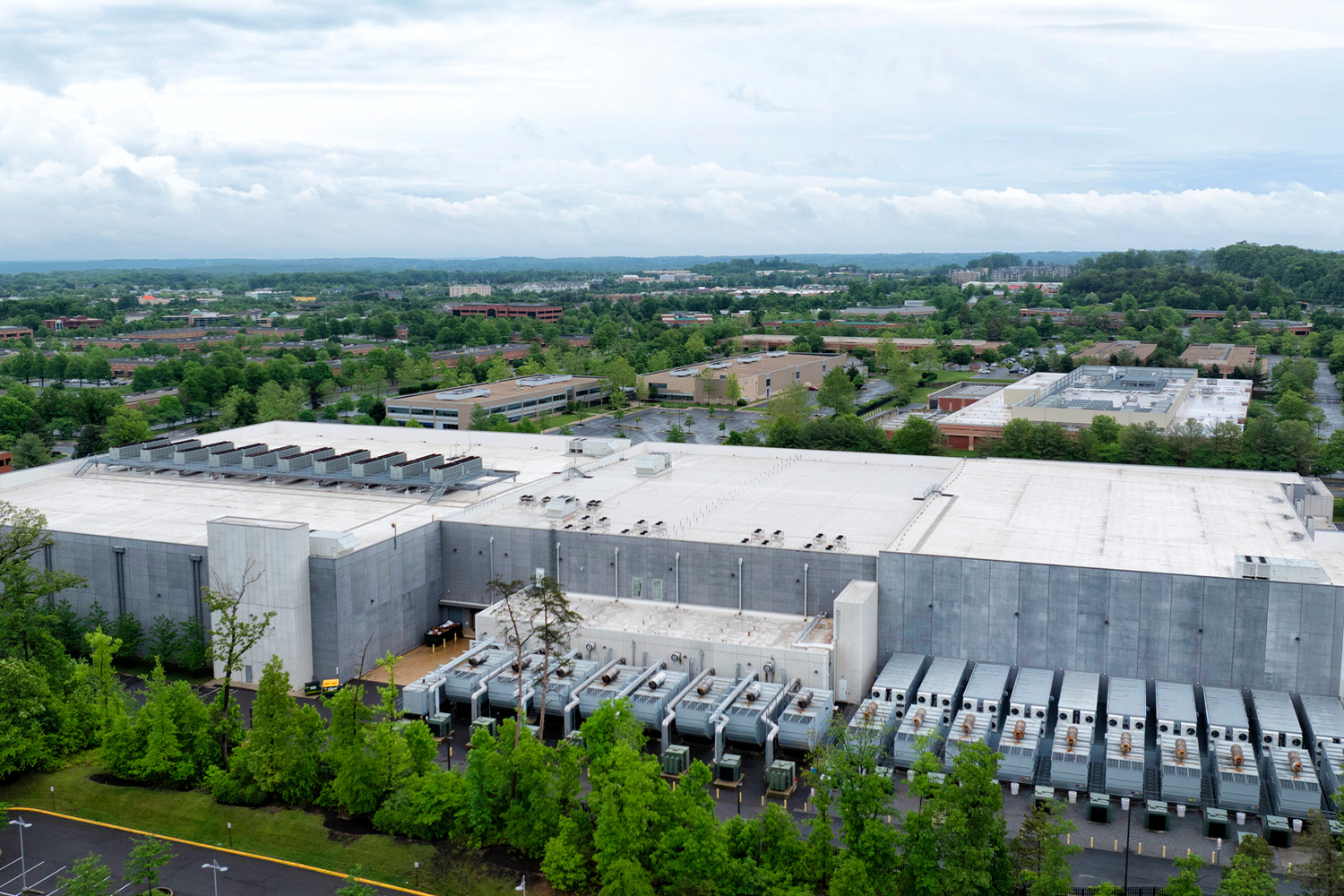
Data Center Roofing in Wichita, KS in Wichita, KS
Aerospace Manufacturing scopes are built for Air Capital manufacturers and suppliers protecting production floors.
Wichita's data center infrastructure is defined by its role as a hub for aerospace manufacturing, energy industry computing, and the regional commercial operations of some of the country's largest industrial enterprises. Spirit AeroSystems, which manufactures the fuselages for Boeing's commercial aircraft fleet at its massive Wichita facilities, operates engineering and manufacturing IT infrastructure that manages design data, production schedules, supply chain systems, and quality control records for one of the most regulated manufacturing processes in the world. The computing systems supporting that production are not back-office administrative tools — they are operational technology platforms where downtime directly affects aircraft production rates and FAA compliance obligations.
Koch Industries, headquartered in Wichita and one of the largest private companies in the United States, has a technology and data infrastructure footprint that reflects the scale of its operations across energy, manufacturing, agriculture, and financial services. Cessna Aircraft, part of Textron and a fixture of Wichita's aviation economy, maintains design, certification, and production IT systems that are subject to FAA oversight and that manage technical data for aircraft in active service worldwide. These are computing environments where the integrity of the data is a safety-of-life concern, and the physical facilities housing that data must meet standards appropriate to that criticality.
Wichita's position on the Central Plains exposes data center buildings to a climate that is simultaneously one of the most weather-extreme and most variable in the country. The city receives an average of 29 inches of precipitation annually, but that modest annual total obscures enormous variability: intense spring tornado seasons, summer hailstorms with some of the largest stones recorded in the country, severe thunderstorm complexes that track across Kansas with sustained winds exceeding 60 miles per hour, and occasional blizzards that deposit heavy wet snow capable of exceeding design roof loads. A Wichita data center roof must be capable of handling all of these events, often in the same season.
Hail risk in Wichita is among the most severe in the continental United States. The intersection of warm Gulf moisture, cool dry air from the Rockies, and atmospheric instability that characterizes Kansas spring weather produces hailstorms with stones regularly exceeding golf ball size and occasionally approaching baseball size. Commercial roofing membranes that lack impact-resistant cover boards are routinely perforated or delaminated by significant Wichita hail events, and the insurance loss history in Kansas reflects this reality. Impact-resistant membrane systems — those tested and rated under FM 4473 or equivalent standards — are not optional upgrades in Wichita; they are the baseline appropriate specification for any data center facility where hail damage would produce operational consequences beyond a standard property insurance claim.
Wind performance for Wichita data center roofs must account for the Southern Plains wind corridor's exposure levels. Wichita averages wind speeds that rank among the highest of any major U.S. metropolitan area, and the flat Kansas terrain provides no geographic wind breaks to reduce the exposure of low-profile commercial buildings. Rooftop equipment and mechanical systems are subject to sustained wind loads that create long-term fatigue at penetration flashings, equipment curb attachments, and membrane seam areas. Fully adhered membrane systems that eliminate the billowing failure mode of mechanically attached systems are the appropriate specification, and equipment curb designs must be engineer-reviewed for the specific wind exposure at each facility location.
Tornado risk creates a unique preparedness requirement for Wichita data center operators that goes beyond roofing specification. While no roofing system can be specified to resist a direct tornado strike, the design of rooftop equipment anchorage, the management of roof access during severe weather watches, and the post-tornado inspection protocol for the building envelope are all components of a comprehensive tornado preparedness plan. Spirit AeroSystems and other major Wichita facilities have detailed emergency protocols that include provisions for rapid damage assessment and emergency weatherproofing after severe weather events — capabilities that depend on having qualified contractor relationships established before an emergency occurs.
Summer thermal cycling in Wichita is severe by any standard. Ambient temperatures regularly exceed 100 degrees Fahrenheit during July and August, and rooftop surface temperatures on dark membrane systems can exceed 175 degrees Fahrenheit. This extreme thermal stress drives accelerated aging in roofing materials and contributes to adhesive bond fatigue, membrane embrittlement, and penetration flashing cracking that produces leak pathways during subsequent storm events. Cool roof systems that reduce surface temperatures by 50 to 80 degrees extend membrane service life measurably and are standard specification for all low-slope commercial roofing in Kansas under current energy code requirements.
The aerospace manufacturing sector's precision engineering culture has influenced how major Wichita employers approach facility management, including roofing. Companies like Spirit AeroSystems and Textron Aviation maintain facility management programs that apply systematic documentation, scheduled preventive maintenance, and performance-based contractor qualification criteria borrowed from their manufacturing operations. Data center facility managers in Wichita who adopt similar approaches — treating roofing as a managed asset with defined inspection intervals, performance metrics, and contractor qualification standards — consistently achieve better outcomes than those who manage roofing reactively.
Koch Industries' presence in Wichita provides an example of how large private enterprises approach data center facility management as a component of operational risk rather than simply a real estate cost. Private companies with the scale and sophistication of Koch typically maintain preferred contractor programs, multi-year master service agreements, and internal facility standards that define roofing performance expectations in measurable terms. Smaller data center operators in Wichita benefit from adopting similar frameworks, scaled appropriately to their building portfolio and budget constraints.
Frequently Asked Questions: Data Center Roofing in Wichita, KS
Why is hail impact resistance particularly important for Wichita data center roofs?
Wichita experiences some of the highest frequencies of large hail events in the United States, with hailstones regularly exceeding golf ball size during Kansas's spring storm season. Standard commercial membrane systems without impact-resistant cover boards are routinely damaged in significant hail events. FM 4473-rated or equivalent impact-resistant systems should be standard specification for any Wichita data center where hail damage would have operational consequences.
What wind speed should be used for roofing calculations in Wichita?
Wichita's location in the Southern Plains wind corridor and the flat Kansas terrain's lack of geographic wind breaks place it in a high-exposure wind category. ASCE 7's ultimate design wind speed for Wichita should be confirmed with a licensed structural or roofing engineer before specifying attachment densities for any new or re-roofing project. The high-wind exposure category significantly increases fastener density requirements for mechanically attached systems and adhesive coverage requirements for fully adhered systems.
How should Wichita data center operators prepare for tornado events?
Tornado preparedness for data center buildings involves rooftop equipment anchorage engineering, pre-storm building inspection and access control protocols, and pre-established contractor relationships for emergency damage assessment and weatherproofing after a storm. While roofing specifications cannot provide tornado resistance, they can ensure that the building performs as well as possible in the near-tornado wind events that are far more common than direct strikes.
What documentation practices do Wichita aerospace-adjacent data centers typically require?
Major Wichita employers in the aerospace sector apply manufacturing-grade documentation standards to facility work, including roofing. Complete installation logs with material batch numbers, application rate measurements, seam probe test records, and photographic documentation of all penetration details are standard expectations. Data center owners in Wichita who adopt similar documentation requirements receive the additional benefit of manufacturer warranty protection that depends on verified installation compliance.
How does Kansas energy code affect roofing specifications for Wichita data centers?
Kansas follows the International Energy Conservation Code, which requires minimum R-25 for low-slope commercial roofs in Wichita's climate zone. Cool roof membranes meeting ENERGY STAR reflectance requirements satisfy the solar reflectance provisions of the code. Many data center operators specify R-30 or higher to reduce the mechanical cooling load that represents a significant operating cost for 24-hour computing facilities.
- Retail Chain Operators
- Government Public Sector
- Food Ag Processing Cold Chain
- DST Roofing
- Commercial Real Estate Reits
- Mixed Use Roofing
- Standing Seam Metal Roofing
- Cool Roof Installation
Roof questions this work should answer
Where is the roof vulnerable?
Drainage, seams, curbs, edge metal, penetrations, traffic paths, and prior repairs should be clear enough to guide the next step.
What has to happen first?
Active water entry, tenant protection, safe access, and storm documentation are handled before long-range pricing is finalized.
How should ownership compare options?
Repair, coating, recover, and replacement choices should be compared against roof age, wet insulation, building use, and the cost of future disruption.